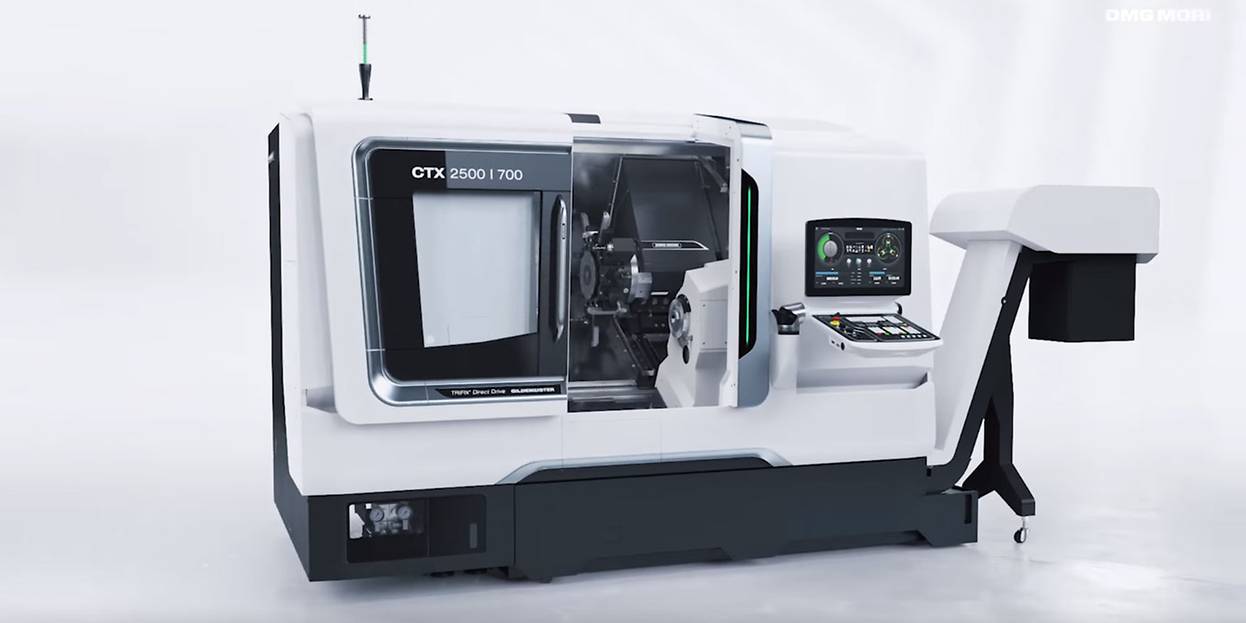
When you think about the world’s most influential machine tool manufacturers, one name consistently rises to the top: DMG Mori. This remarkable company represents one of the most successful industrial partnerships in modern manufacturing history, bringing together the engineering precision of Germany and the technological innovation of Japan under one powerful corporate umbrella. Whether you’re in the aerospace industry, automotive manufacturing, or medical device production, chances are DMG Mori’s machines have played a role somewhere in your supply chain.
DMG Mori: A Powerful German-Japanese Partnership
DMG Mori is the product of a strategic alliance between two manufacturing powerhouses — Deckel Maho Gildemeister (DMG) from Germany and Mori Seiki from Japan. The partnership began taking shape in 2009 when the two companies announced a broad cooperation agreement, eventually deepening their ties over the years until Mori Seiki acquired a significant stake in DMG, formally creating what we now know as DMG Mori. It was a bold move that sent ripples through the global manufacturing industry, signaling that the future of machine tools would be defined by cross-continental collaboration rather than isolated national competition.
What made this partnership so special was how naturally the two corporate cultures complemented each other. German engineering has long been synonymous with precision, reliability, and mechanical excellence — qualities that companies like Deckel Maho Gildemeister had embodied for decades. Japanese manufacturing philosophy, on the other hand, brought with it a relentless focus on efficiency, continuous improvement (kaizen), and technological innovation. When these two traditions merged, the result was a company that could offer customers the best of both worlds: machines built to exacting German standards with the operational intelligence and innovation mindset of Japanese manufacturing culture.
Today, DMG Mori operates as a truly global enterprise with its headquarters split between Bielefeld, Germany, and Nara, Japan. The company employs tens of thousands of people worldwide and operates numerous production facilities, technology centers, and customer service locations across Europe, Asia, and the Americas. This dual-headquarter structure isn’t just symbolic — it reflects a genuine commitment to maintaining both cultural identities while pursuing shared goals. The partnership stands as a living example of how international business collaboration, when done thoughtfully, can produce results that neither partner could have achieved independently.
How DMG Mori Became a Machine Tool Industry Leader
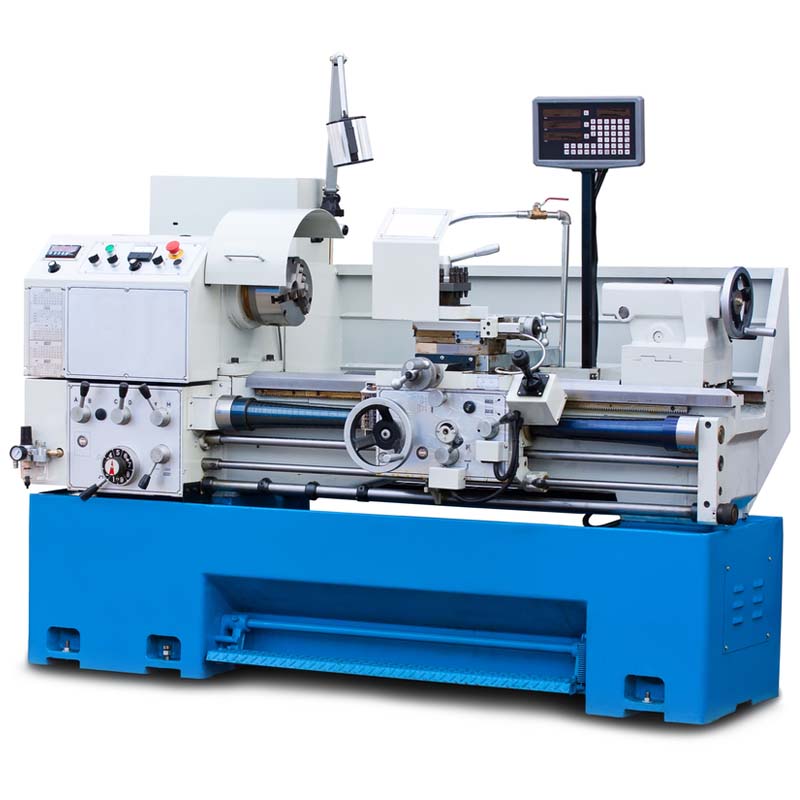
The road to industry leadership wasn’t built overnight. Both DMG and Mori Seiki had rich individual histories long before they came together. Mori Seiki, founded in Japan in 1948, grew steadily through the postwar economic boom, establishing itself as a trusted manufacturer of lathes and machining centers. Meanwhile, DMG was itself a product of earlier mergers between storied German brands including Deckel, Maho, and Gildemeister — each of which had built strong reputations in milling, turning, and grinding technologies over the course of the 20th century. When these two legacies merged, they brought with them more than a century of combined manufacturing expertise.
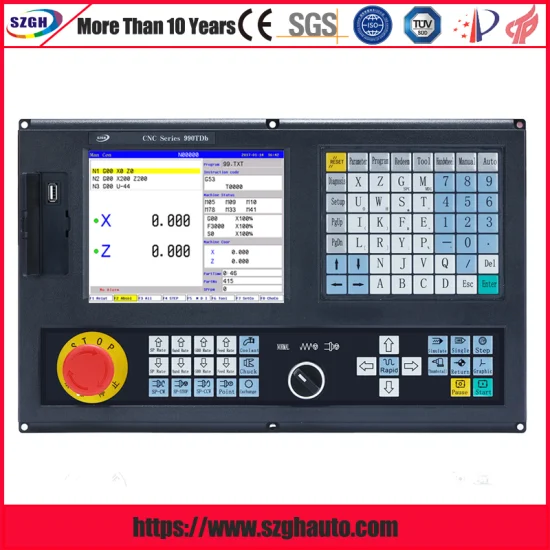
One of the key drivers behind DMG Mori’s rise to the top has been its aggressive investment in research and development. The company consistently allocates a significant portion of its revenue to developing next-generation machine tools, software solutions, and automation technologies. Their CELOS operating system, for instance, revolutionized how operators interact with CNC machines by introducing a smartphone-like touchscreen interface that simplifies complex operations and integrates seamlessly with broader factory management systems. This kind of innovation demonstrates that DMG Mori doesn’t just build machines — it builds ecosystems that help manufacturers work smarter and more efficiently.
DMG Mori has also distinguished itself through a forward-thinking approach to Industry 4.0 and digital manufacturing. The company has embraced additive manufacturing, hybrid machining technologies, and smart factory solutions at a pace that many competitors have struggled to match. Their LASERTEC series of machines, which combine laser-based additive processes with traditional subtractive machining, represents a genuine technological breakthrough that opens up entirely new possibilities for complex part production. By consistently staying ahead of technological trends rather than simply reacting to them, DMG Mori has cemented its reputation not just as a machine tool manufacturer, but as a genuine thought leader in the future of industrial production.
DMG Mori’s story is ultimately about more than just machines and market share. It’s a compelling narrative about what becomes possible when two great industrial traditions decide to work together rather than against each other. The German-Japanese partnership that sits at the heart of this company has proven that cultural differences in business don’t have to be obstacles — they can be genuine strengths when managed with respect and mutual vision. As manufacturing continues to evolve in the face of digitalization, automation, and sustainability pressures, DMG Mori appears well-positioned to remain at the forefront of the industry for decades to come. For anyone interested in the future of industrial manufacturing, keeping a close eye on DMG Mori is simply a smart move.