DMG MORI Lathe Machines: A Complete Buying Guide
If you’ve been in the manufacturing or machining industry for any length of time, you’ve probably heard the name DMG MORI thrown around more than once. And for good reason — this brand has established itself as one of the most trusted names in precision machine tools worldwide. Whether you’re running a small job shop or managing a large-scale production facility, investing in the right lathe machine can make or break your operational efficiency. This guide is designed to walk you through everything you need to know about DMG MORI lathe machines, from understanding their core features to making a smart, informed purchase decision.
DMG MORI Lathe Machines: What You Need to Know
DMG MORI is a German-Japanese machine tool manufacturer formed through the merger of DMG (Deckel Maho Gildemeister) and Mori Seiki. The company has decades of engineering heritage behind it, and that experience shows in every machine they produce. Their lathe machines, in particular, are known for their exceptional precision, robust build quality, and advanced technology integration. When you’re looking at a DMG MORI lathe, you’re essentially looking at the result of continuous innovation backed by serious engineering expertise.
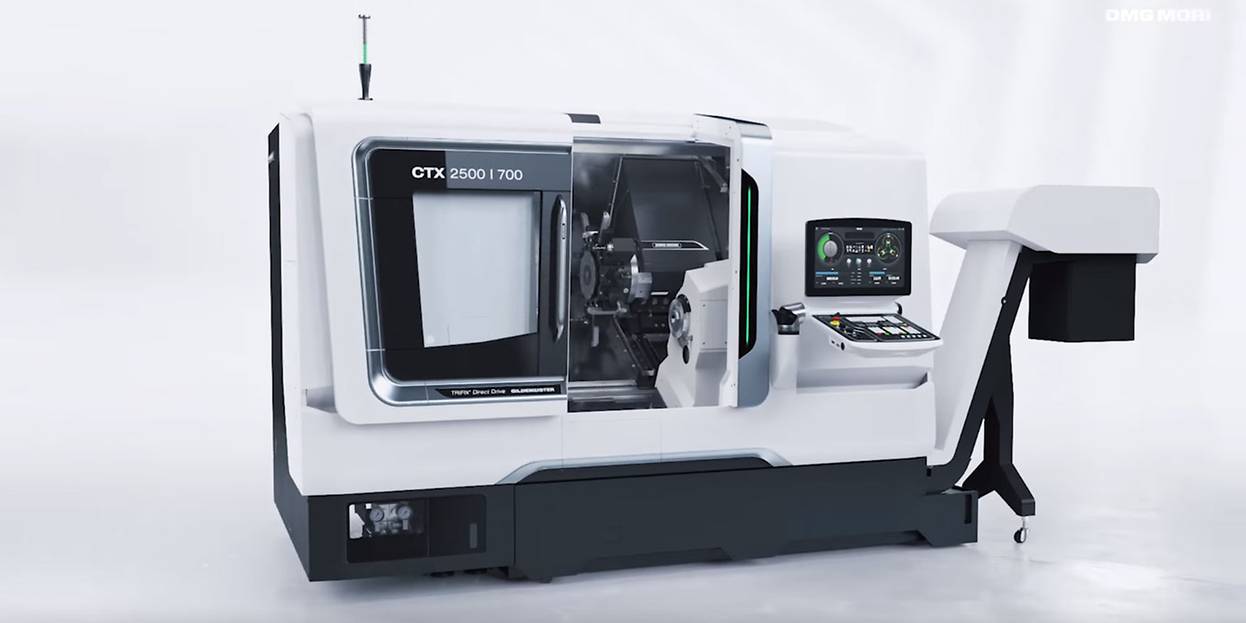
One of the standout characteristics of DMG MORI lathe machines is their range. The company offers everything from compact universal lathes to high-performance CNC turning centers capable of handling complex multi-axis operations. Popular series like the NLX, CTX, and CLX each cater to different production needs and budget levels. The NLX series, for example, is widely regarded as a workhorse in the industry — capable of delivering high-speed turning with remarkable accuracy across a variety of materials including steel, aluminum, and titanium.
Beyond the hardware itself, DMG MORI machines come equipped with cutting-edge control systems, most notably the CELOS interface, which is the company’s proprietary operating system. CELOS allows operators to manage, document, and monitor machining tasks in a highly intuitive way. It also supports connectivity with Industry 4.0 frameworks, meaning these machines can be integrated into smart factory environments. For businesses looking to future-proof their operations, this kind of digital readiness is a significant advantage that sets DMG MORI apart from many competitors.
How to Choose the Right DMG MORI Lathe Machine
Choosing the right DMG MORI lathe machine starts with a clear understanding of your production requirements. You need to ask yourself questions like: What materials will I be machining most frequently? What are the typical part sizes and tolerances I need to achieve? How many parts do I need to produce per shift? These questions aren’t just formalities — they directly influence which machine series, spindle configuration, and axis setup will serve you best. Jumping into a purchase without this clarity can lead to overspending on features you don’t need or, worse, buying a machine that can’t handle your actual workload.
Next, consider the balance between capability and budget. DMG MORI machines are a premium investment, and prices can vary significantly depending on the model and configuration. Entry-level CNC turning machines like the CLX series can be a great starting point for shops that are scaling up their capabilities without going all-in on a top-tier system. On the other hand, if your operation demands high-volume precision turning with live tooling and Y-axis capabilities, stepping up to the NLX or CTX series makes much more sense financially in the long run. Always factor in the total cost of ownership — including maintenance, tooling, and software updates — not just the sticker price.
Finally, don’t underestimate the importance of after-sales support and service availability in your region. DMG MORI has a global network of service centers and authorized dealers, which is a huge plus, but coverage can vary depending on where you’re located. Before finalizing your purchase, make sure you have clarity on warranty terms, spare parts availability, and how quickly a technician can be on-site if something goes wrong. It’s also worth talking to other shop owners who already use DMG MORI equipment — real-world feedback from people who run these machines daily can give you insights that no brochure ever will. A well-supported machine is always a better investment than a feature-rich one that leaves you stranded when downtime hits.
DMG MORI lathe machines represent some of the finest engineering in the machine tool industry, and for many manufacturers, they are absolutely worth the investment. But like any major capital purchase, the key to getting real value lies in doing your homework first. Understand your production needs, match them to the right machine series, and make sure you have the support infrastructure in place to keep things running smoothly. Whether you’re a first-time buyer or looking to upgrade your existing setup, the information in this guide should give you a solid foundation to make a confident, well-informed decision. The right DMG MORI lathe won’t just be a machine — it’ll be a long-term asset that drives your business forward.