How CNC Horizontal Lathes Are Changing Machining
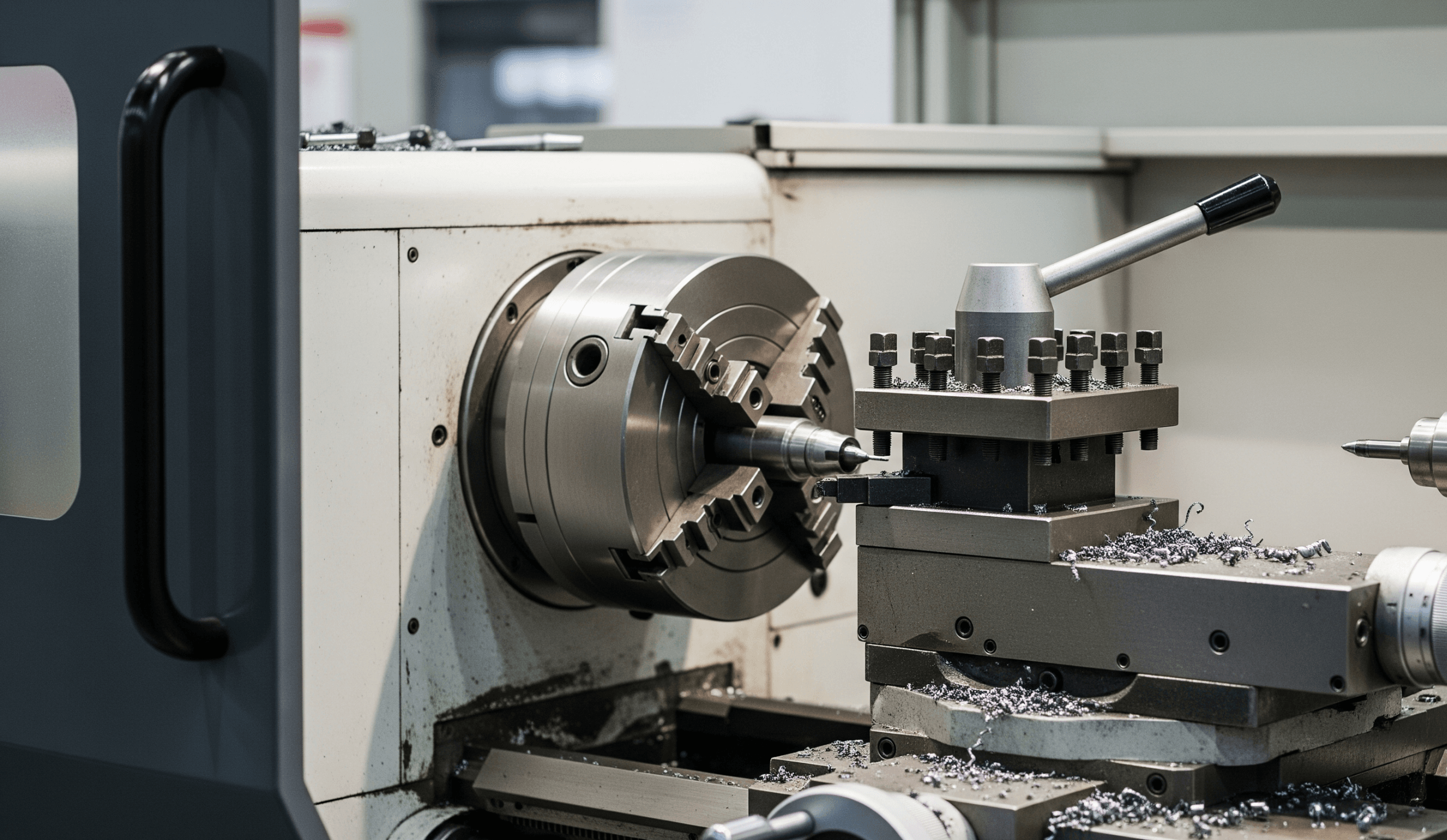
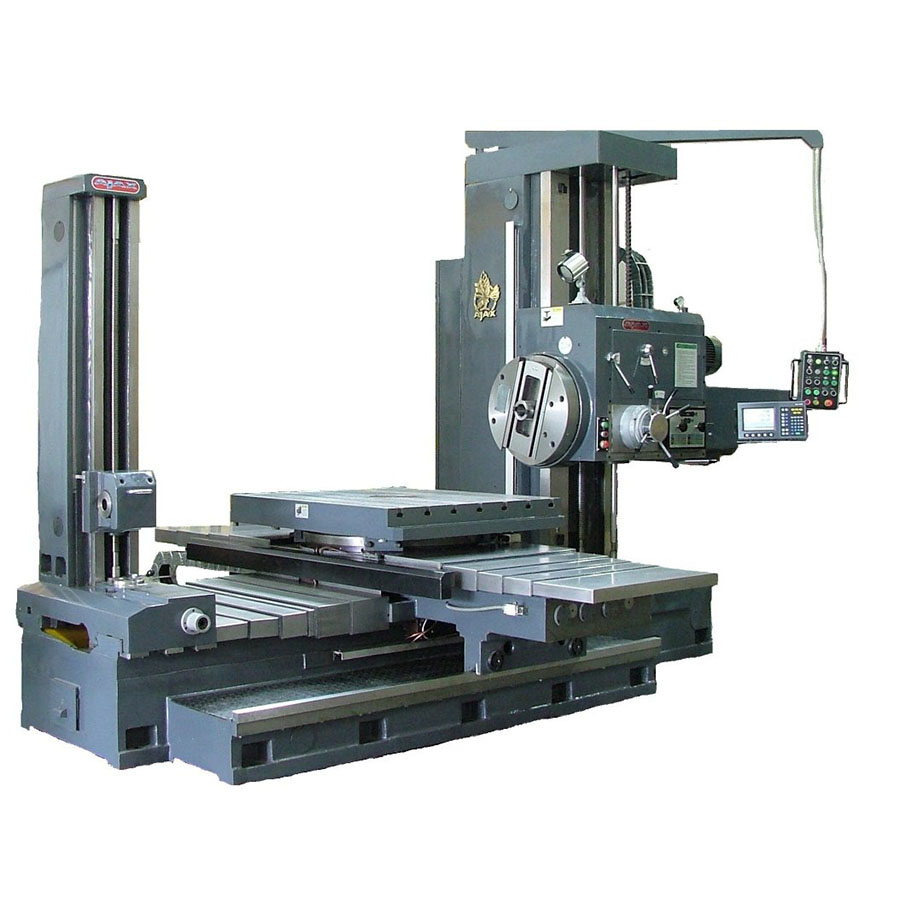
The manufacturing world has been undergoing a quiet but powerful revolution over the past few decades, and at the heart of that transformation is the CNC horizontal lathe. Known in Indonesian manufacturing circles as the "Mesin Bubut Horizontal CNC," these machines have redefined what’s possible on the shop floor. From small job shops to large-scale industrial facilities, machinists and engineers alike are discovering just how dramatically these tools are reshaping the way we think about precision, speed, and overall production efficiency.
CNC Horizontal Lathes Boost Machining Precision
One of the most significant advantages that CNC horizontal lathes bring to the table is their extraordinary level of precision. Traditional manual lathes rely heavily on the skill and experience of the operator, which naturally introduces a degree of human error into every cut. With a CNC horizontal lathe, the machine follows a pre-programmed set of instructions down to fractions of a millimeter, ensuring that each part comes out virtually identical to the last. This level of consistency is simply not achievable through manual operation, no matter how skilled the machinist.
The Mesin Bubut Horizontal CNC achieves this precision through a combination of advanced servo motors, high-resolution encoders, and sophisticated control software. These components work together to monitor and adjust the position of the cutting tool in real time, compensating for any minor deviations that might occur during the machining process. The result is a finished product that meets tight tolerances, which is especially critical in industries like aerospace, automotive, and medical device manufacturing where even the smallest error can have serious consequences.
Beyond just hitting the right measurements, CNC horizontal lathes also contribute to surface quality in ways that manual machines struggle to match. The smooth, consistent feed rates and spindle speeds that these machines maintain produce cleaner surface finishes, reducing the need for secondary finishing operations. Manufacturers who have made the switch to CNC horizontal lathes often report a significant drop in scrap rates and rework costs, which ultimately translates into better profit margins and a stronger reputation for quality among their customers.
How These Machines Cut Production Time in Half
Speed is another area where CNC horizontal lathes truly shine, and the efficiency gains can be nothing short of remarkable. Traditional machining workflows often require an operator to manually adjust settings between operations, check measurements repeatedly, and reposition workpieces by hand. With a CNC horizontal lathe, much of this work is automated. The machine can execute complex multi-step operations in a single setup, moving seamlessly from one cut to the next without any manual intervention. For high-volume production runs, this difference in cycle time adds up to hours or even days saved over the course of a project.
The Mesin Bubut Horizontal CNC also supports automation features like automatic tool changers and bar feeders, which further reduce downtime between operations. A machine equipped with a bar feeder, for example, can run continuously for extended periods without an operator needing to manually load new stock. This capability is a game-changer for shops looking to maximize their machine utilization rates. Some facilities have even configured their CNC horizontal lathes to run lights-out overnight, producing finished parts while the shop is completely unmanned and dramatically increasing output without adding labor costs.
Programming and setup time has also been dramatically reduced thanks to modern CAM software and conversational programming interfaces. What once required an experienced machinist to spend hours calculating speeds, feeds, and tool paths can now be accomplished in a fraction of the time using intuitive software tools. New operators can get up to speed faster, and experienced machinists can spend more of their time on higher-value tasks like quality control and process optimization. When you add all these factors together — faster cycle times, reduced setup time, and around-the-clock operation potential — it’s easy to see why so many manufacturers say that switching to CNC horizontal lathes has effectively cut their production time in half.
The rise of the CNC horizontal lathe, or Mesin Bubut Horizontal CNC, represents one of the most meaningful shifts in modern manufacturing. These machines aren’t just tools — they’re a fundamental upgrade to how we approach precision, productivity, and profitability on the shop floor. Whether you’re a small machine shop looking to stay competitive or a large manufacturer trying to optimize your production line, investing in CNC horizontal lathe technology is a decision that continues to pay dividends for years to come. As machining technology continues to evolve, one thing is clear: the shops that embrace these innovations today will be the ones leading the industry tomorrow.