When it comes to precision machining in demanding industrial environments, few tools command as much respect as the heavy duty manual horizontal boring machine. These robust pieces of equipment have been the backbone of large-scale manufacturing and metalworking operations for decades, offering unmatched versatility and accuracy when working with oversized workpieces. Whether you’re dealing with large engine blocks, industrial frames, or complex structural components, understanding how these machines work and where they excel can make a significant difference in your production outcomes.
Heavy Duty Manual Horizontal Boring Machine Guide
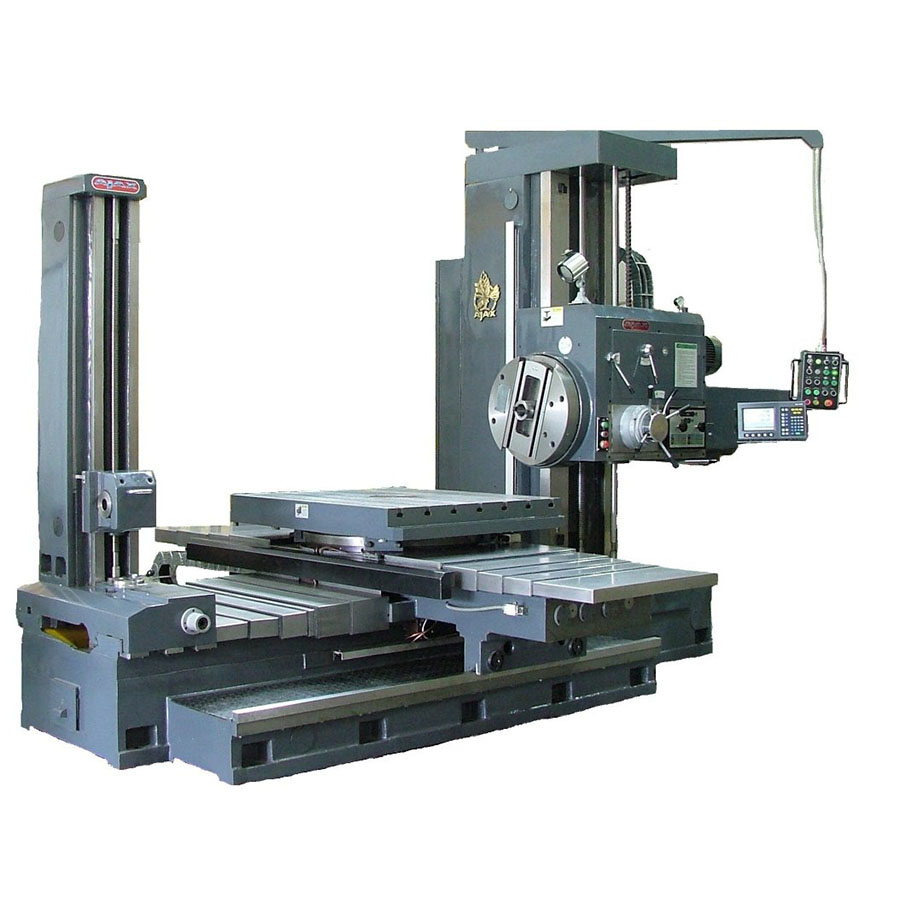
A heavy duty manual horizontal boring machine is a precision machine tool designed to bore, drill, mill, and perform various machining operations on large and heavy workpieces. Unlike vertical boring machines, the horizontal configuration allows the cutting tool to approach the workpiece from the side, making it especially well-suited for long cylindrical bores, deep holes, and parallel alignment tasks. The "manual" designation refers to the operator-controlled feed and positioning mechanisms, which give skilled machinists a high level of tactile feedback and direct control over the cutting process.
The universal parallel design of these machines is one of their most defining characteristics. The term "universal" reflects the machine’s ability to perform multiple operations — boring, facing, milling, and even drilling — without requiring the workpiece to be repositioned on a different machine. The parallel configuration ensures that the boring bar remains perfectly aligned along the horizontal axis throughout the operation, which is critical when maintaining tight tolerances across long bores. This design philosophy is what makes these machines so indispensable in large-scale industrial settings where precision cannot be compromised.
From a construction standpoint, heavy duty horizontal boring machines are built to withstand enormous cutting forces and continuous operation. The machine bed, column, and headstock are typically manufactured from high-grade cast iron or fabricated steel, chosen specifically for their vibration-dampening properties and structural rigidity. The spindle is hardened and ground to exacting tolerances, and the feed mechanisms are engineered to provide smooth, consistent movement even under heavy load conditions. This combination of robust construction and precision engineering is what earns these machines their "heavy duty" classification in the world of machine tools, or what is known in many industrial circles as mesin industri presisi besar.
Understanding the Core Components
The spindle assembly is arguably the heart of any horizontal boring machine, and in heavy duty models, this component is engineered to an exceptional standard. The spindle must maintain precise rotational accuracy while simultaneously supporting significant radial and axial loads generated during the boring process. In manual machines, the spindle speed is typically adjusted through a gearbox with multiple selectable ranges, allowing the operator to match the cutting speed to the material being machined and the diameter of the bore being produced. High-quality spindle bearings, often of the preloaded angular contact or taper roller type, ensure minimal runout and long-term accuracy.
The worktable is another critical element that defines the capability of the machine. On heavy duty models, the table is designed to support extremely heavy workpieces — sometimes weighing several tons — while still allowing smooth, precise movement in multiple axes. Most machines feature a table that can traverse longitudinally (Z-axis) and laterally (X-axis), with the headstock providing vertical movement (Y-axis). This three-axis movement capability, combined with the rotary motion of the spindle, gives the operator an impressive range of positioning options. The table’s clamping system must also be robust enough to hold the workpiece completely rigid during cutting, since any movement will directly compromise dimensional accuracy.
The boring bar and tooling system deserve special attention because they directly influence the quality of the finished bore. In a horizontal boring machine, the boring bar extends outward from the spindle and carries the cutting insert at its working end. For deep bores, the bar must be sufficiently rigid to resist deflection under cutting forces, which is why heavy duty machines often feature support brackets or steady rests positioned along the bar’s length. The tooling itself is selected based on the material being cut, the required surface finish, and the dimensional tolerances specified on the drawing. Modern tungsten carbide inserts have largely replaced high-speed steel tooling in production environments, offering significantly longer tool life and the ability to operate at higher cutting speeds.
Manual Operation: Skill, Precision, and Control
One of the most frequently asked questions about horizontal boring machines is why anyone would choose a manual machine over a CNC-controlled equivalent. The answer lies in several practical and economic considerations that remain highly relevant in today’s industrial landscape. Manual machines are considerably less expensive to purchase and maintain, making them an attractive option for job shops, repair facilities, and smaller manufacturing operations that cannot justify the capital investment of a CNC machine. Additionally, manual machines do not require the same level of programming expertise, which means that a skilled machinist can often produce a finished part more quickly on a manual machine than it would take to program and set up a CNC equivalent for a one-off job.
Skilled operation of a manual horizontal boring machine requires years of experience and a deep understanding of cutting mechanics, material behavior, and machine geometry. The operator must be able to read engineering drawings accurately, calculate appropriate cutting speeds and feeds, set up the workpiece correctly, and make real-time adjustments based on what they see and feel during the cutting process. This level of craft knowledge is genuinely valuable and is one reason why experienced horizontal boring machine operators are highly sought after in industries like mining equipment repair, shipbuilding, and heavy construction equipment manufacturing. The manual machine rewards skill and punishes carelessness, which tends to develop a very high standard of workmanship among regular operators.
The tactile feedback that manual operation provides is something that CNC machines simply cannot replicate. An experienced operator can often detect the onset of chatter, tool wear, or workpiece movement through subtle vibrations felt through the handwheels and machine structure before these issues become visible in the finished surface. This ability to make micro-adjustments in real time is particularly valuable when working with irregular or previously damaged workpieces where the material condition is unpredictable. In repair and refurbishment work — which represents a significant portion of horizontal boring machine usage — this adaptability is often the difference between a successful outcome and a scrapped workpiece.
Key Industrial Applications and Performance Benefits
The mining and extractive industries represent one of the largest user bases for heavy duty horizontal boring machines, and it’s easy to understand why when you consider the scale and nature of the equipment involved. Mining machinery — including draglines, excavators, crushers, and haul trucks — is built around massive structural frames and pivot points that must maintain precise alignment under enormous dynamic loads. When these components wear or are damaged, they need to be remachined to restore original dimensions and tolerances. A horizontal boring machine is often the only practical tool capable of performing this work, particularly when the component is too large to be transported to a machine shop and must be machined on-site using portable boring equipment.
Oil and gas industry applications are equally demanding, encompassing everything from wellhead components and blowout preventers to pipeline flanges and refinery pressure vessels. These components must meet extremely stringent dimensional and surface finish requirements because the consequences of failure can be catastrophic. The horizontal boring machine excels in this context because it can produce bores with the tight tolerances and fine surface finishes required by industry standards, while also handling the large diameters and deep bores that are common in this sector. The ability to machine multiple features in a single setup — reducing cumulative positioning errors — is particularly valuable when working with critical safety components.
Power generation equipment, including turbine casings, generator frames, and large pump housings, also relies heavily on horizontal boring machine capabilities. These components typically feature multiple precisely located bores that must be aligned with each other to within very tight tolerances to ensure correct shaft alignment and efficient operation. A single large turbine casing might require dozens of individual boring operations, all referenced to the same datum, which demands a machine with exceptional geometric accuracy and repeatability. Heavy duty horizontal boring machines, with their robust construction and precision-ground guideways, are well-equipped to meet these requirements consistently over the long working life of the machine.
Performance Advantages in Heavy Manufacturing
The performance benefits of a heavy duty manual horizontal boring machine become most apparent when you examine the economics of large-scale industrial machining. Consider a large mining excavator bucket that requires the boring of a worn pivot pin bore. Transporting this component to a conventional machining facility might be impractical or prohibitively expensive given its size and weight. A portable horizontal boring machine, or a large floor-mounted model in a well-equipped workshop, can address this need directly and efficiently. The cost savings associated with in-situ or workshop repair versus component replacement can run into hundreds of thousands of dollars for a single large component, making the investment in horizontal boring capability extremely attractive from a lifecycle cost perspective.
Accuracy and repeatability are performance characteristics that define the value of any precision machine tool, and heavy duty horizontal boring machines deliver on both counts when properly maintained and operated. The rigid construction of the machine bed and column ensures that geometric relationships between the spindle axis and the table movement axes remain stable under cutting loads, which is the fundamental requirement for consistent dimensional accuracy. Regular calibration and maintenance of the guideways, spindle bearings, and feed mechanisms ensures that the machine continues to perform to its original specification throughout its service life, which can extend to several decades with proper care. This longevity makes the horizontal boring machine one of the most cost-effective investments a heavy manufacturing facility can make.
Versatility is another performance benefit that deserves emphasis. A well-equipped horizontal boring machine is not limited to boring operations — it can also perform face milling, end milling, drilling, reaming, and tapping operations, effectively functioning as a machining center for large workpieces. This versatility reduces the number of machine setups required to complete a complex component, which not only saves time but also improves dimensional accuracy by eliminating the cumulative positioning errors that accumulate when a part is moved between multiple machines. For job shops and contract manufacturers working on diverse projects, this flexibility is enormously valuable and allows a single machine to address a wide range of customer requirements.
Selecting the Right Machine for Your Application
Choosing the appropriate heavy duty manual horizontal boring machine for a specific application requires careful consideration of several key parameters. The most fundamental of these is the spindle diameter, which determines the maximum boring bar diameter that can be accommodated and, by extension, the maximum bore diameter that can be produced. Spindle diameters on heavy duty machines typically range from 100mm to 200mm or larger, with larger spindles offering greater rigidity and the ability to handle heavier cuts. The floor-to-spindle center height and the maximum table load capacity are also critical parameters, as these define the physical size and weight of workpieces that can be accommodated.
The machine’s travel ranges in all axes determine the maximum dimensions of the workpieces that can be machined without repositioning. For very large components, it may be necessary to select a machine with extended table travel or to use a machine with a floor plate configuration, where the workpiece rests directly on the shop floor rather than on a machine table. The spindle speed range is another important consideration — a wide range of available speeds ensures that the machine can handle both small-diameter bores in hard materials (requiring high spindle speeds) and large-diameter bores in softer materials (where lower speeds are appropriate). Evaluating these parameters against your specific production requirements will guide you toward the most appropriate machine specification.
Finally, it’s worth considering the long-term support and parts availability for any machine you’re evaluating. Heavy duty horizontal boring machines represent a significant capital investment, and their value is only realized if they can be kept in productive service over the long term. Established manufacturers with a proven track record, a comprehensive spare parts inventory, and a network of qualified service technicians offer a much lower risk profile than newer or less-established suppliers. Training support for your operators is equally important — even the best machine will underperform if the people running it don’t have the knowledge and skills to use it effectively. Investing in proper operator training from the outset will pay dividends in productivity and part quality throughout the machine’s working life.
The heavy duty manual horizontal boring machine remains one of the most capable and versatile tools available to industrial manufacturers, maintenance operations, and heavy engineering workshops. Its ability to handle large, complex workpieces with precision and reliability — combined with the adaptability that skilled manual operation provides — ensures that it will continue to play a vital role in industries ranging from mining and energy to shipbuilding and heavy equipment manufacturing for many years to come. Whether you’re evaluating your first horizontal boring machine or looking to upgrade an aging piece of equipment, understanding the principles and applications covered in this guide will help you make a more informed decision and get the most value from your investment.