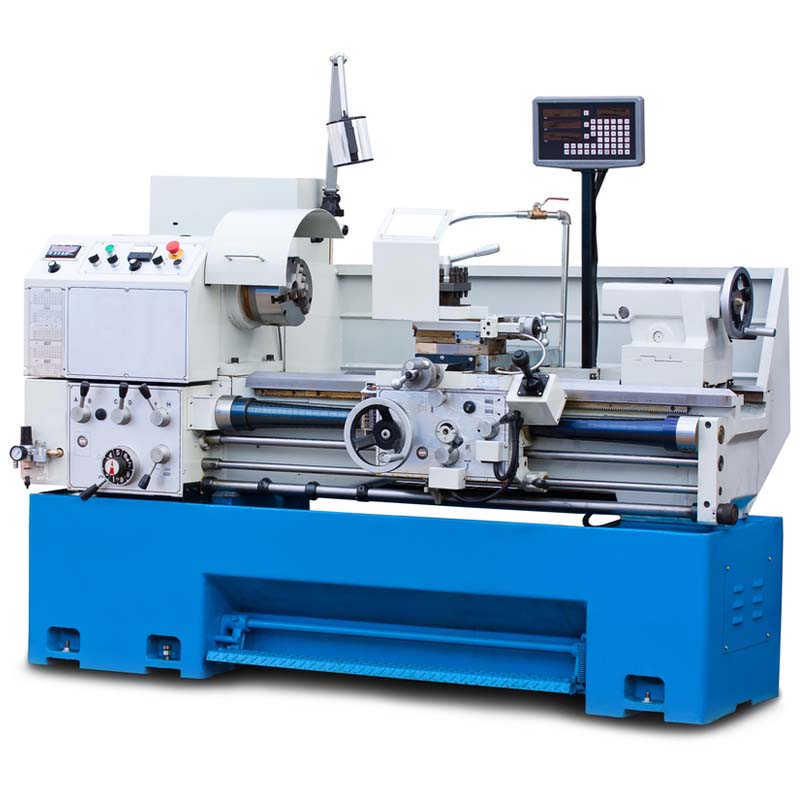
If you’re in the market for a reliable manual lathe machine with a 1-meter bed length, you’ve probably already discovered that the options can be overwhelming. Whether you’re running a small machine shop, a fabrication business, or simply need a dependable workhorse for your workshop, a 1-meter manual lathe is one of the most versatile and practical investments you can make. These machines strike a sweet spot between compact home-use lathes and full industrial giants, giving operators the ability to handle a wide range of turning, threading, and facing operations without taking up an entire factory floor. In this guide, we’ll walk you through everything you need to know before making your purchase decision, and we’ll take a close look at three popular brands that dominate this segment — Sanco, Asahi, and Enshu.
Choosing the Right 1 Meter Manual Lathe Machine
When shopping for a 1-meter manual lathe machine, the first thing you need to clarify is what kind of work you’ll primarily be doing. A 1-meter bed length refers to the distance between centers, which determines the maximum length of the workpiece you can machine. This size is ideal for medium-scale production tasks, including shafts, bushings, flanges, and various cylindrical components. If your shop regularly handles parts in the 600mm to 900mm range, this class of lathe will serve you extremely well without being overkill in terms of cost or footprint.
Beyond the bed length, you’ll want to pay close attention to the swing over the bed, which tells you the maximum diameter of the workpiece the machine can accommodate. Most 1-meter manual lathes in this category offer a swing between 300mm and 400mm, which is quite generous for general-purpose machining. You should also examine the spindle bore size, the headstock gear configuration, and whether the machine supports metric and imperial threading — because in real-world shop environments, you’ll often need to cut both types of threads without swapping out gears endlessly.
Another critical factor that many buyers overlook is the build quality and rigidity of the machine’s bed and carriage. A lathe is only as good as its ability to resist vibration and deflection during heavy cuts. Look for machines with hardened and ground bed ways, since these will maintain accuracy over thousands of hours of operation. Don’t forget to consider the availability of spare parts, local technical support, and warranty coverage — especially if you’re purchasing for a commercial operation where downtime directly translates to lost revenue. A slightly higher upfront investment in a well-supported machine often pays off dramatically over the long run.
Top Brands Reviewed: Sanco, Asahi, and Enshu
Sanco is one of the more accessible brands in the 1-meter manual lathe segment, particularly popular in Southeast Asian markets including Indonesia. Sanco lathes are known for offering a solid balance between affordability and functionality, making them a go-to choice for small to medium workshops that need a dependable machine without breaking the bank. Their 1-meter models typically feature a swing over bed of around 320mm to 360mm, and they come equipped with a reasonably comprehensive set of change gears that allow operators to cut a good variety of thread pitches. Build quality is generally acceptable for the price range, though some users have noted that the surface finish on the bed ways could be more refined compared to premium brands.
Asahi lathes, on the other hand, have carved out a reputation for being a step up in terms of precision and overall machine rigidity. Asahi’s 1-meter models are well-regarded in machining circles for their tighter tolerances and better-quality spindle bearings, which contribute to superior surface finish on finished parts. The brand has been around long enough to have established a decent support network, and replacement parts are generally not difficult to source. For shops that regularly machine stainless steel, hardened materials, or components requiring tight dimensional tolerances, Asahi tends to be the preferred choice over entry-level competitors. The price point is moderately higher than Sanco, but most experienced machinists would argue that the investment is well justified.
Enshu is the premium player in this comparison, and it shows in virtually every aspect of the machine’s construction and performance. Enshu lathes are Japanese-engineered and are built with the kind of meticulous attention to detail that you’d expect from a manufacturer with decades of experience in precision machinery. Their 1-meter manual lathe models feature excellent bed rigidity, precise headstock alignment, and smooth carriage movement that makes long turning operations far less fatiguing for the operator. The spindle runout on Enshu machines is impressively low, making them suitable for high-precision work that simply wouldn’t be achievable on a budget machine. The trade-off, of course, is price — Enshu commands a significant premium — but for professional operations where quality and longevity are non-negotiable, it’s hard to argue against them.
Choosing the right 1-meter manual lathe machine ultimately comes down to matching the machine’s capabilities with your specific operational needs and budget constraints. If you’re just getting started or running a cost-conscious shop, Sanco offers a functional and affordable entry point that will handle everyday machining tasks without too much fuss. If you need a bit more precision and are willing to invest a little more, Asahi delivers a noticeable step up in quality that experienced machinists will genuinely appreciate. And if you’re running a professional operation where accuracy, durability, and long-term reliability are your top priorities, Enshu is arguably the best choice in this category. Whichever brand you choose, make sure to verify local dealer support, inspect the machine before purchase if possible, and always factor in tooling and accessories costs as part of your total investment. A well-chosen manual lathe machine will serve your workshop faithfully for decades — so take your time, do your homework, and make the decision that’s right for your situation.